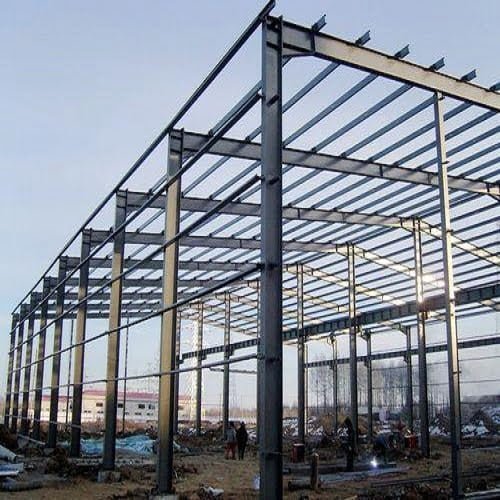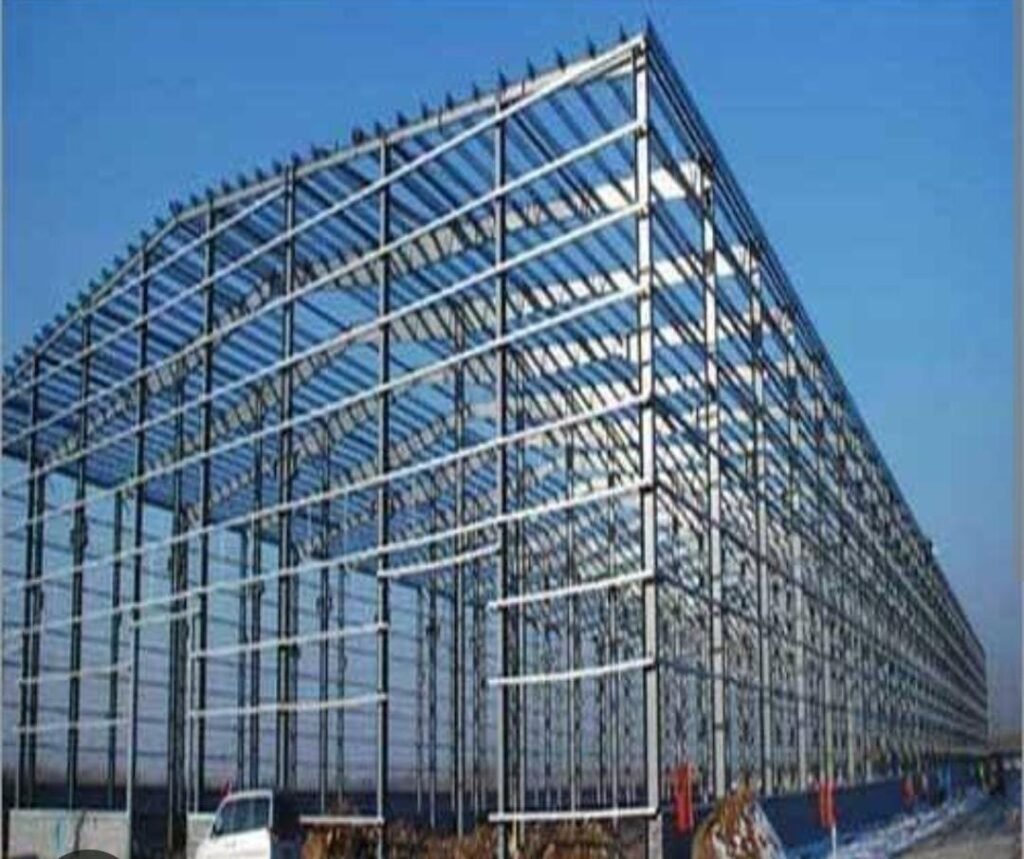
In the realm of construction, two methodologies stand out: the conventional approach of traditional construction and the innovative Pre Engineered Buildings (PEBs) method. This comparative analysis explores the differences and similarities between these two construction approaches, considering factors such as cost, time, design flexibility, sustainability, and overall efficiency.
1. Construction Time and Speed
Traditional Construction:
Traditional construction methods often involve on-site fabrication of components, resulting in a sequential and time-consuming process. Each stage, from foundation work to framing and finishing, is performed sequentially, leading to longer construction timelines. Weather conditions and unforeseen challenges can further extend the project duration.
Pre Engineered Buildings:
PEBs, on the other hand, are known for their rapid construction. The prefabricated components, engineered off-site, can be quickly assembled on-site. This simultaneous approach to construction significantly reduces project timelines. PEBs are particularly advantageous for projects with tight deadlines or when time-sensitive construction is crucial.
2. Cost Considerations
Traditional Construction:
Traditional construction projects often entail higher initial costs due to the extensive on-site labor, extended project timelines, and the potential for cost overruns. The need for skilled labor and the time-consuming nature of on-site construction contribute to the overall expense.
Pre Engineered Buildings:
PEBs are renowned for their cost-effectiveness. The efficiency of off-site manufacturing, reduced labor requirements, and quicker construction times translate into lower overall costs. Additionally, the predictability of PEB costs during the design phase allows for better budgeting and financial planning.
3. Design Flexibility and Customization
Traditional Construction:
Traditional construction methods provide a high level of design flexibility. Architects and builders have more freedom to customize each element of the structure, adapting to unique architectural visions and complex design requirements. However, this flexibility can come at the expense of construction speed and cost.
Pre Engineered Buildings:
PEBs, while often associated with simple and utilitarian structures, have evolved to offer increased design flexibility. Advanced computer-aided design (CAD) technologies enable precise customization of PEB components. While there may be some limitations compared to traditional construction, PEBs can accommodate a wide range of aesthetic and functional requirements.
4. Sustainability and Environmental Impact
Traditional Construction:
Traditional construction practices may have a higher environmental impact due to the on-site fabrication of materials, resource-intensive construction processes, and potential waste generation. The extended construction timelines also contribute to prolonged energy consumption and disruption of natural habitats.
Pre Engineered Buildings:
PEBs are increasingly recognized for their sustainability advantages. The controlled manufacturing environment of PEB components minimizes material waste, and the efficient use of steel, a recyclable material, aligns with sustainable building practices. The shorter construction times reduce on-site energy consumption, and the lightweight nature of PEBs can lead to less environmental disturbance.
5. Quality and Consistency
Traditional Construction:
Quality control in traditional construction relies heavily on on-site supervision, and inconsistencies may arise due to variations in skill levels among on-site workers. The potential for human error during on-site fabrication and assembly can impact the overall quality of the construction.
Pre Engineered Buildings:
PEBs benefit from a controlled manufacturing environment, ensuring consistent quality across components. The use of advanced technologies, precision engineering, and automated fabrication processes minimizes the likelihood of errors. The uniformity in PEB components contributes to overall structural integrity and durability.
6. Adaptability and Expansion
Traditional Construction:
Traditional buildings can be adapted and expanded, but these processes often involve more complex and time-consuming procedures. Modifications may require significant structural changes, impacting the overall integrity of the building.
Pre Engineered Buildings:
PEBs are inherently adaptable and expandable. The modular nature of PEB components allows for easy modifications or expansions without compromising structural integrity. This adaptability is particularly advantageous for businesses and industries that anticipate future growth or changes in spatial requirements.
7. Structural Strength and Durability
Traditional Construction:
Traditional construction methods, when executed with precision, can result in structurally robust buildings. However, the variability in on-site workmanship and potential for human error may affect the overall structural strength.
Pre Engineered Buildings:
PEBs are designed to be structurally sound and durable. The precision engineering and quality control in manufacturing ensure that components fit together seamlessly, reducing the likelihood of structural issues. The use of high-strength steel contributes to the overall strength and resilience of PEBs.
Conclusion
In the comparative analysis between Pre Engineered Buildings and traditional construction, both methodologies have their strengths and limitations. Traditional construction offers unparalleled design flexibility and adaptability but often comes at a higher cost and longer construction timeline. On the other hand, Pre Engineered Buildings excel in terms of cost-effectiveness, construction speed, and sustainability, with advancements in design flexibility making them increasingly competitive in diverse architectural applications.
The choice between traditional construction and PEBs depends on the specific requirements of a project, including budget constraints, timeline considerations, and design preferences. As the construction industry continues to evolve, the integration of innovative technologies and sustainable practices in both approaches will likely further blur the lines between traditional and modern construction methods. Ultimately, the decision between traditional and PEB construction should be guided by a comprehensive understanding of the project’s unique needs and priorities.