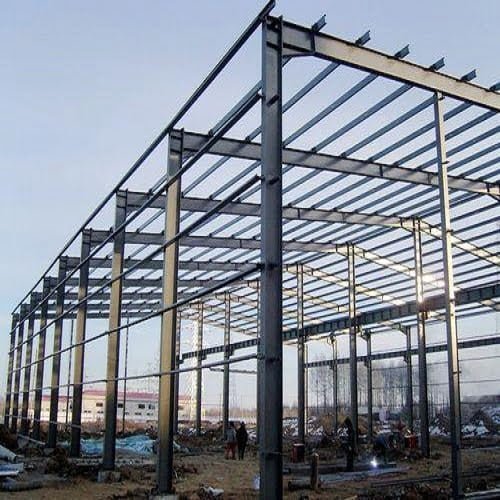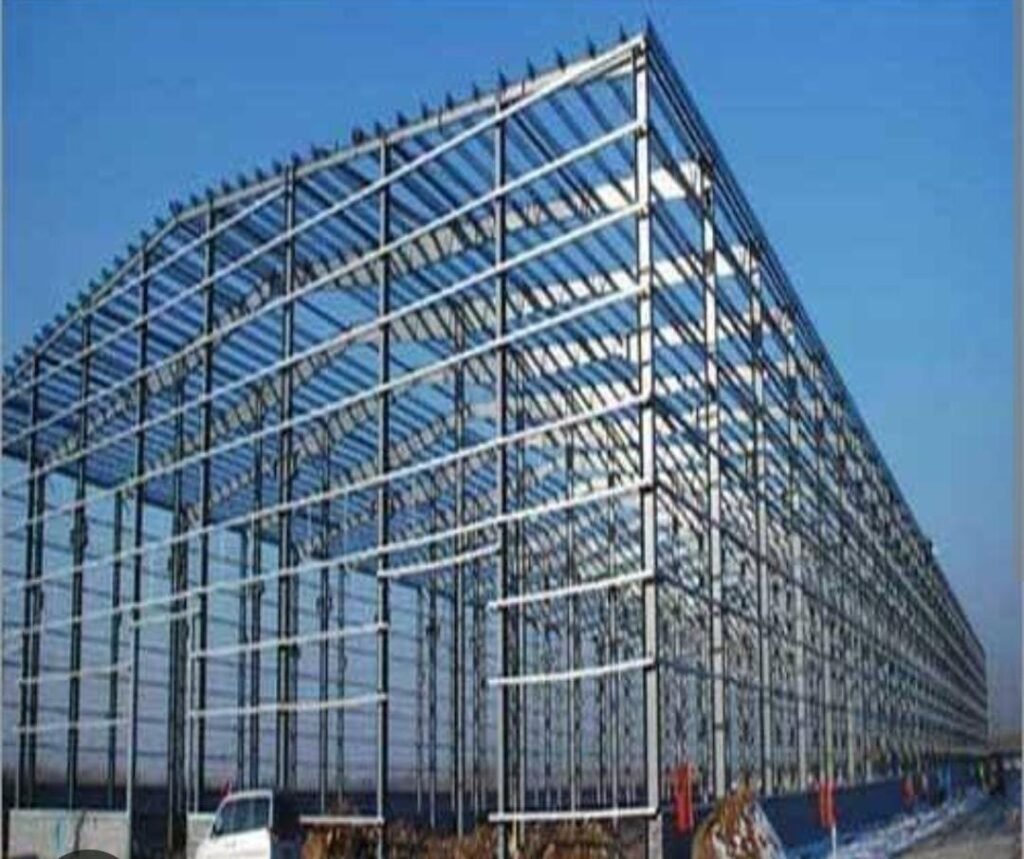
Pre Engineered Buildings (PEBs) continue to evolve with the integration of cutting-edge technologies, reshaping the landscape of construction. This article delves into the latest innovations in PEB technology, exploring advancements such as smart building systems, Internet of Things (IoT) integration, and other groundbreaking technologies that are propelling the industry into the future.
1. Smart Building Systems
Intelligent Building Management Systems (BMS):
The integration of BMS in PEBs allows for centralized control and monitoring of various building systems, including lighting, HVAC, security, and energy management. BMS enhances operational efficiency, optimizes resource usage, and provides real-time insights into building performance.
Energy-Efficient Solutions:
Smart building systems in PEBs are now designed to optimize energy consumption through features such as automated lighting controls, occupancy sensors, and climate control systems. These innovations contribute to sustainability efforts and reduce long-term operational costs.
2. Internet of Things (IoT) Integration
Sensor Networks:
PEBs are incorporating IoT-enabled sensors to collect and transmit real-time data on structural health, environmental conditions, and occupancy. These sensors facilitate predictive maintenance, allowing for timely repairs and minimizing downtime.
Enhanced Security:
IoT integration enables advanced security systems with smart surveillance cameras, access control systems, and fire detection devices. These systems can be remotely monitored and controlled, enhancing the overall safety and security of PEBs.
3. Digital Twins and Building Information Modeling (BIM)
Digital Twin Technology:
Digital twins create virtual replicas of physical PEB structures, allowing for real-time monitoring and analysis. This technology aids in predictive maintenance, performance optimization, and efficient life-cycle management.
BIM for Design and Construction:
The use of BIM in PEB design and construction facilitates collaborative and data-driven decision-making. It streamlines the entire construction process, from initial design to facility management, ensuring accuracy and efficiency at every stage.
4. Advanced Materials and Construction Techniques
High-Performance Composite Materials:
Innovations in materials, such as high-performance composites, are enhancing the strength-to-weight ratio of PEB components. This leads to more efficient structures with reduced material usage, contributing to sustainability and cost-effectiveness.
3D Printing and Prefabrication:
The adoption of 3D printing and advanced prefabrication techniques in PEB construction accelerates the building process. This not only reduces construction time but also minimizes waste and enhances precision in component manufacturing.
5. Renewable Energy Integration
Solar Power Solutions:
PEBs are increasingly incorporating solar panels into their design, leveraging the large roof spans for efficient solar power generation. This integration promotes sustainability and helps in achieving energy independence for the buildings.
Energy Storage Systems:
Innovations in energy storage technologies, such as advanced batteries, are being integrated into PEBs. These systems store excess energy generated from renewable sources, providing a reliable power supply during periods of low energy generation.
Conclusion
The future of Pre Engineered Buildings is being shaped by a convergence of technologies that enhance efficiency, sustainability, and overall building performance. Smart building systems, IoT integration, digital twins, advanced materials, and renewable energy solutions are paving the way for a new era in PEB construction. As these innovations continue to mature, the industry can anticipate even more sophisticated, resilient, and sustainable Pre Engineered Buildings that meet the evolving demands of the built environment.